
05 · PLASTERBOARD, PLASTERING AND PAINTING · MELBOURNE
I’m Ivan Bodnar, an independent renovation specialist working as a sole trader in Melbourne. Plasterboard, plastering, surface preparation and painting are hands-on work I do myself, either as part of a bathroom, kitchen or laundry renovation or as a home improvement on their own. Most of the time goes into the steps you won’t see once the last coat is dry.
0413 142 055 · 9:00–18:00, Mon–Sun
FIELDS ON THIS SHEET

Compound worked into a wall-to-ceiling corner, with patched joints overhead. Each patch is sanded flat before primer goes on.
01
The scope of plaster and paint work depends on what’s already there. Before I suggest anything, I look at the existing walls and ceilings: cracked or loose plaster, old patches that show through the paint, joints that have opened up, flaking or peeling coats, and any staining that points to moisture.
Sometimes a sound wall needs little more than filling, sanding and priming. Sometimes a damaged section of plasterboard is better replaced than patched again. I’ll explain what I think is needed, why I’d take that approach and what might limit the result, so you can decide with the full picture.
02
Plasterboard installation. I fix new board where a wall or ceiling has been opened up during a renovation, or replace damaged sections, keeping the sheets flush so the joints have a fair start.
Joints and plastering. I tape the joints, then build up the compound in coats, letting each one dry before the next. Corners, patches and screw heads are treated the same way.
Sanding and surface preparation. I sand everything flat, check it in raking light and fill again wherever it needs it. Existing painted surfaces are cleaned, keyed and repaired first.
Primer and paint. New plaster and repaired areas get primed so the topcoats finish evenly. Then the finish coats go on, with the cutting-in done carefully along edges and ceilings.
03
One of the most important things I’ve learnt in about 15 years of hands-on renovation work is that good preparation matters just as much as the visible finish. Paint is thin. It doesn’t hide a ridge along a joint or a patch that wasn’t sanded flat. Once the light from a window hits the wall, those faults are the first thing you notice.
That’s why I spend the time on taping, sanding and priming. I’ve written more about it in Why Preparation Matters.
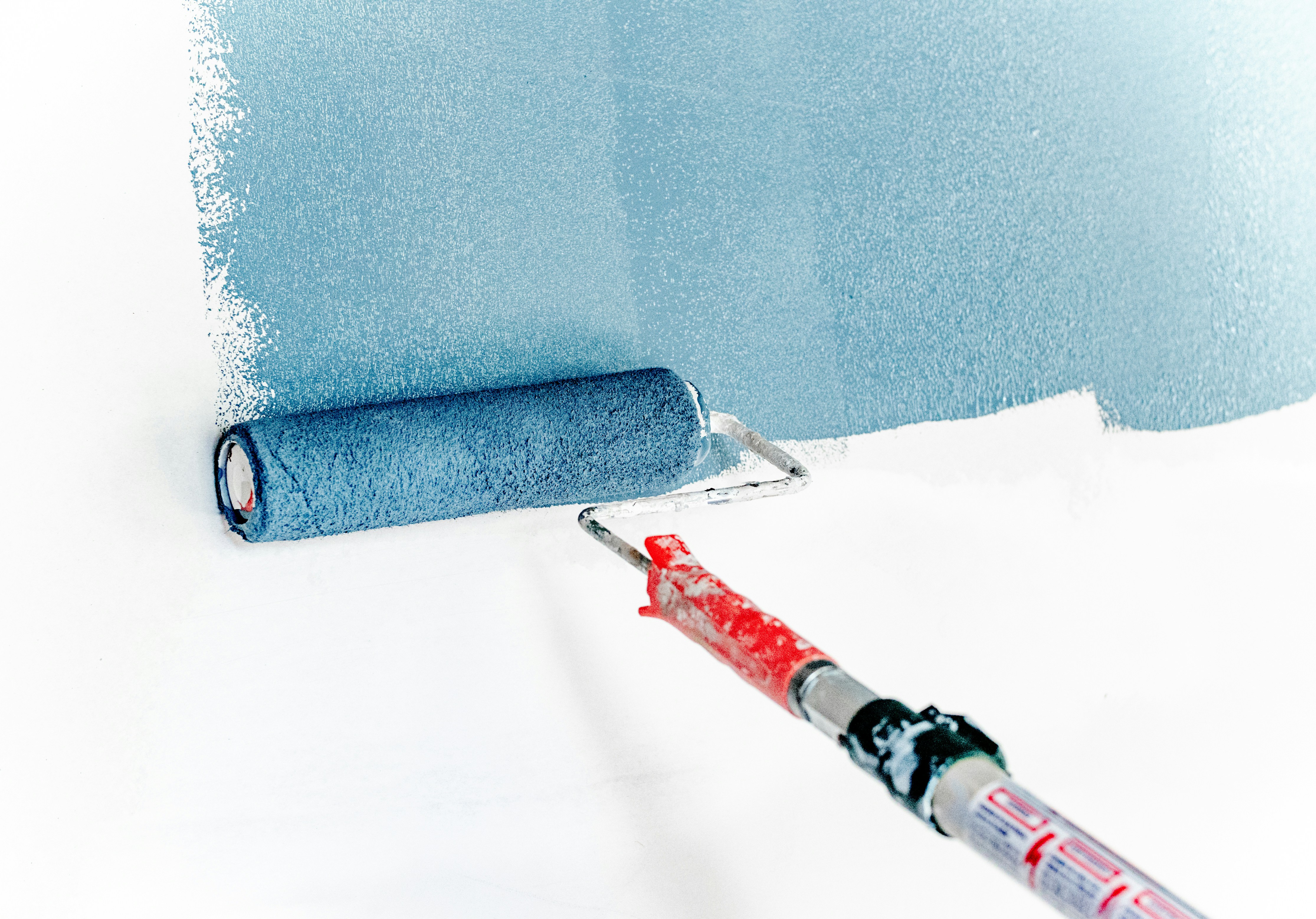
Roller and tray on a light-coloured wall. The finish coat is the last step, not the main one.
04
Plasterboard and plastering here means lining, repairing and finishing walls and ceilings. It doesn’t include structural changes. If a wall is opened and there’s electrical wiring or plumbing to move or connect, that part is done by appropriately licensed specialists, and I coordinate it with the rest of the job. You can read how that works in Working with Licensed Specialists.
Not offered: 24-hour emergency call-out, architectural design, engineering, major structural alterations, new-home construction.
05
☐ Your suburb
☐ Which rooms, walls or ceilings you have in mind
☐ What’s there now: cracks, old patches, peeling paint or new board
☐ Whether it’s part of a bigger renovation
Pricing depends on the assessed scope, materials and existing conditions, so I’ll look at the surfaces before I quote. More pointers are in What to Include When You Send a Message, or go straight to Send a Message.